June 1, 2026
The landscape of residential energy use is undergoing a massive transformation, driven largely by updated regulatory mandates aimed at reducing carbon footprints and cutting utility expenses. At the center of this domestic evolution are residential water heaters, which account for a substantial portion of the energy consumed in modern households every single day. Recent updates to federal and regional efficiency rules are fundamentally reshaping how these essential appliances are engineered, sold, and integrated into contemporary properties. Understanding these changes allows homeowners to make smart choices with their water heater installations that align with legislative requirements and modern resource conservation goals while protecting their long-term property values.
As everyday consumers adapt to these updated benchmarks, there is a distinct opportunity to lock in major economic and ecological advantages. Upgrading outdated infrastructure is no longer just a luxury for the eco-conscious; it has quickly become a necessary step for anyone looking to optimize property performance. Navigating the modern marketplace requires a solid grasp of how engineering updates alter physical appliance footprints and baseline utility metrics.
Understanding the Updated Guidelines
The latest regulatory updates place immense emphasis on pushing the envelope for baseline thermal performance and structural integrity across all product lines. These guidelines represent a coordinated effort by legislative groups to replace outdated, energy-wasting appliance designs with smarter alternatives that feature heavy insulation and superior heat retention. This regulatory advancement serves as a major catalyst for manufacturers, forcing the industry to redesign tanks and combustion mechanisms to meet unprecedented performance benchmarks.
A primary organization driving these nationwide changes is the U.S. Department of Energy, which remains committed to establishing stringent performance criteria that lower national energy strain. Compliance with these updated benchmarks ensures that public consumers gain access to the most reliable and optimized machinery available on the commercial market today. The implementation process follows a carefully structured, multi-year timeline designed to give production facilities and supply chains ample opportunity to overhaul their manufacturing lines. This phased rollout ensures that the consumer market regarding water heater installations remains well-stocked with compliant machinery while older options are systematically retired from retail shelves.
Maximizing Home Energy Savings
The core intent behind these strict performance mandates is the drastic reduction of waste across the residential sector, moving the needle closer to nationwide sustainability goals. According to the Department of Energy, these new standards are projected to save American households approximately $7.6 billion per year on energy and water bills. The increased efficiency ratings ensure that water heaters consume less energy while still providing the same level of performance. This incredible financial metric underscores the massive collective impact that modernized machinery can have on consumer wallet sizes and nationwide utility infrastructure.
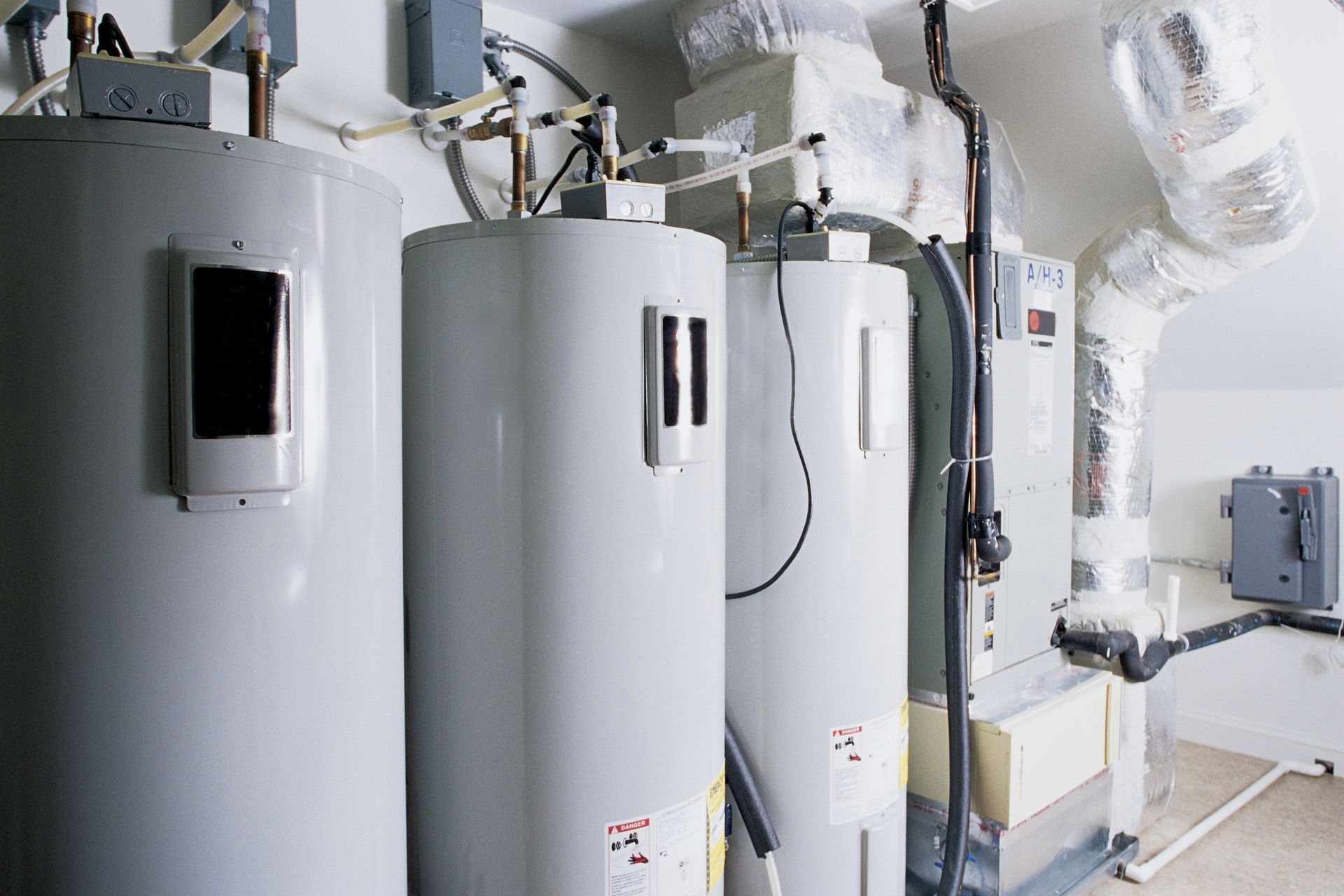
To meet these tough parameters, manufacturers are employing advanced materials, such as dense foam insulation jackets and highly conductive heat exchangers that prevent standby energy loss. While the upfront purchase prices for these advanced pieces of machinery are naturally higher due to their complex designs, the ongoing monthly operational savings quickly offset the initial investment. Homeowners who schedule professional water heater installations will notice immediate downward trends in their monthly fuel or electrical consumption. Over the entire lifespan of a compliant asset, the accumulated utility savings yield an impressive return on investment that far outweighs the initial acquisition cost.
Promoting Long-Term Sustainability
Beyond the obvious financial incentives, the updated rules provide deep environmental benefits by shrinking the overall ecological footprint of the residential housing market. Higher mechanical efficiency directly correlates with lower demand on regional power grids and municipal natural gas distribution networks, which cuts down on greenhouse gas emissions. By lowering the total amount of fuel required to maintain daily domestic hot water supplies, the entire nation takes a major step toward achieving carbon neutrality.
In addition to reducing carbon output, the modern manufacturing standard promotes the use of recyclable components and eco-friendly manufacturing processes that lower factory waste. Many compliant appliances also integrate smart flow-restriction systems and rapid-heating mechanics that actively work to decrease unnecessary water consumption during daily usage. Furthermore, various regional governments and utility companies offer lucrative cash rebates and tax credits to incentivize consumers to purchase these eco-friendly options.
Integrating Advanced Smart Technology
Modern engineering has gone far beyond simple insulated tanks, introducing sophisticated electronic controls and automation connectivity directly into the appliance footprint. Smart units now feature integrated Wi-Fi modules that allow property owners to monitor operational metrics and set custom heating schedules through mobile applications. These intelligent systems learn household usage patterns, lowering storage temperatures during periods of low demand, such as late nights or vacation windows, to eliminate standby waste.
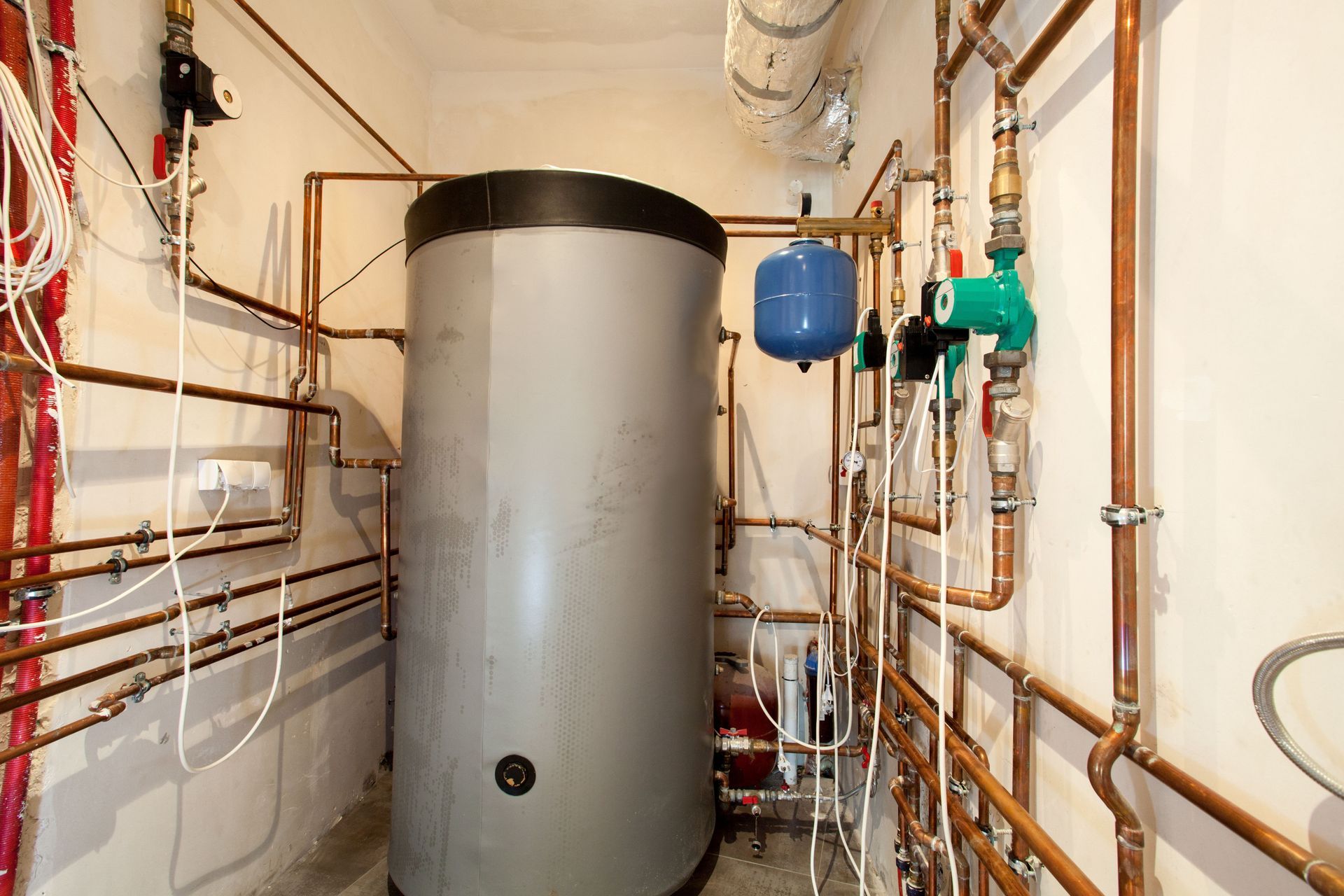
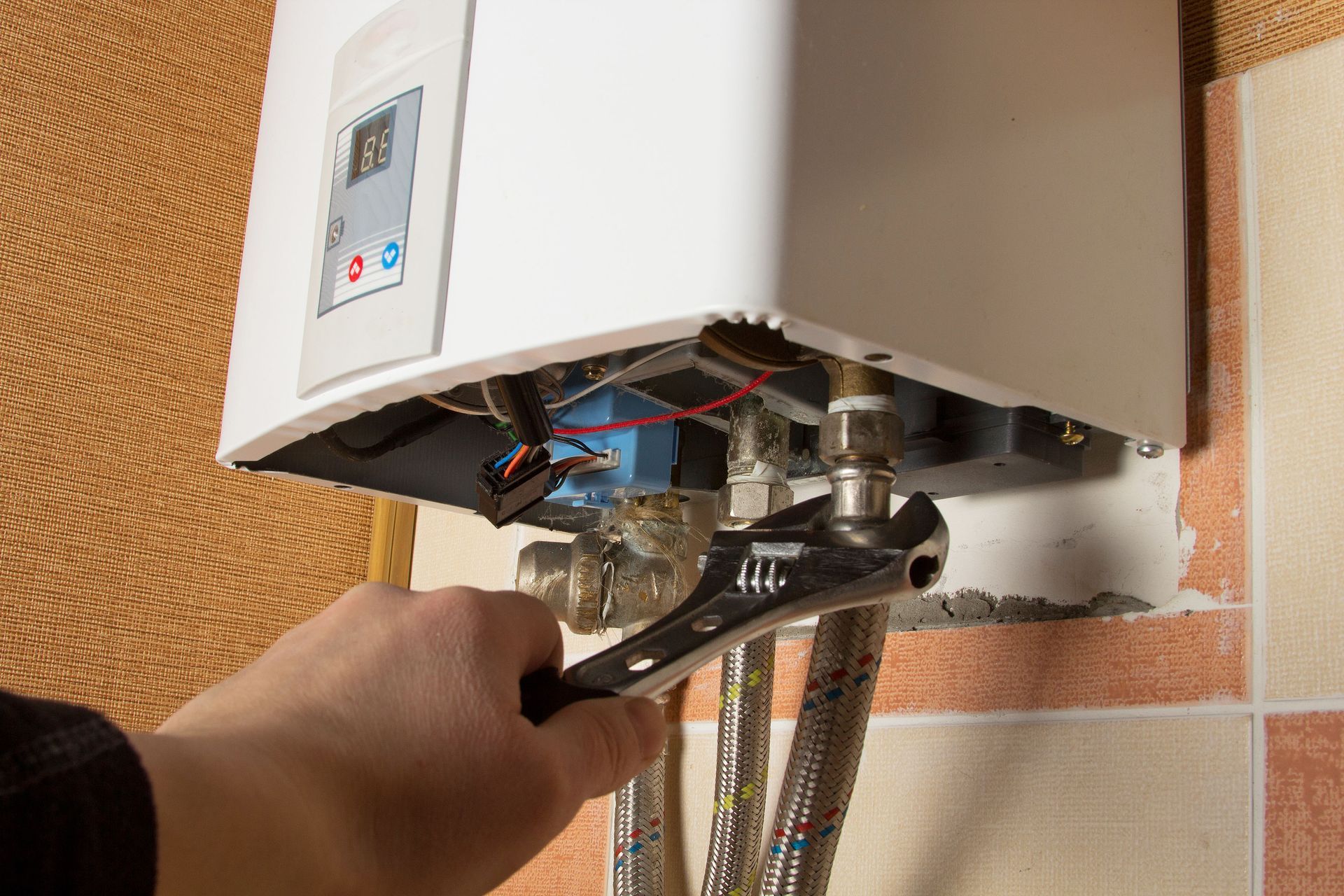
Alternative designs, such as heat pump units, harvest ambient thermal energy from surrounding indoor air to heat water rather than generating heat entirely through electrical resistance. This incredible technology operates at a fraction of the cost of traditional setups, making it a cornerstone of modern high-efficiency properties. Tankless setups are also gaining massive traction under the current guidelines, as they eliminate storage tanks entirely by heating water instantly on demand. These diverse technological paths provide homeowners with tailored options, allowing individuals to choose a specific setup that fits their space availability and hot water usage demands perfectly.
Guaranteeing Operational Peace of Mind
Ensuring high operational protection and structural resilience remains a top priority within the updated framework, leading to major improvements in safety components. Modern units are outfitted with highly advanced temperature and pressure relief valves, alongside sensitive electronic diagnostic sensors that identify internal faults instantly. These integrated components monitor baseline functionality around the clock, cutting power or fuel supplies automatically if an anomaly or leak is detected. By mandating these proactive safety features, the updated guidelines successfully eliminate many of the operational hazards that were common in older plumbing setups.
To keep these complex, high-efficiency systems running safely and effectively over the long term, property owners must prioritize routine professional checkups. Regular physical inspections help catch minor component wear before it escalates into a catastrophic leak or breakdown, preserving the life of the asset. Educational campaigns are also widely available to help consumers understand internal warning lights and standard operational parameters, empowering individuals to manage their property safely.
Planning a Property Upgrade
The long-term effects of these modern benchmarks are reshaping commercial markets, driving steady growth in the production of high-efficiency plumbing assets. As consumer demand for eco-friendly appliances continues to rise, product options are diversifying rapidly, creating a competitive environment that fosters constant engineering breakthroughs. While immediate price adjustments can occur as old inventories dry up, the market is steadily stabilizing around these sophisticated, resource-saving designs. Navigating these changes successfully requires a proactive approach to property maintenance, ensuring that aging equipment is replaced before a major system failure occurs.
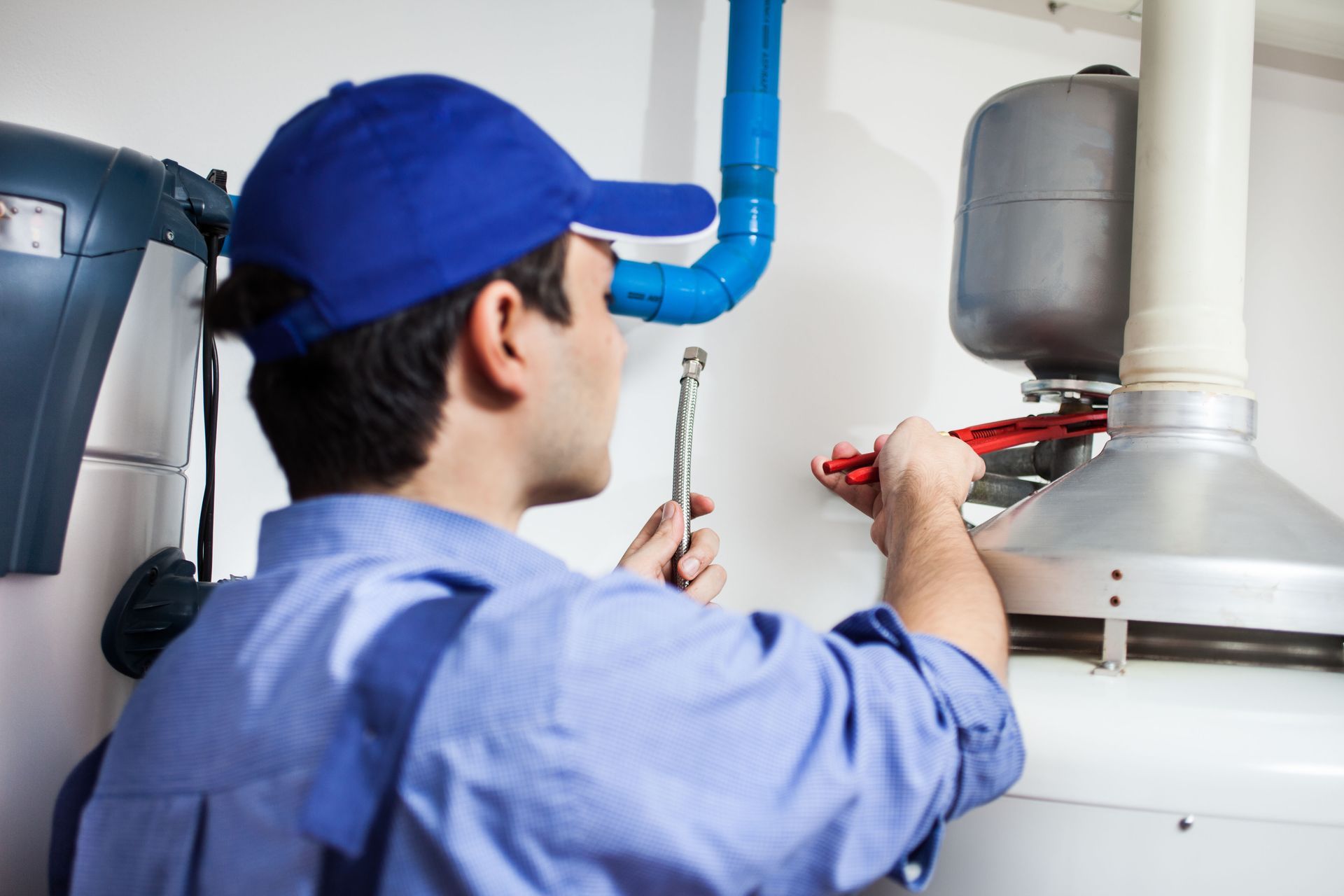
When the time comes to update an aging appliance, property owners must seek out licensed professionals to handle the delicate setup process. Attempting to manage complex plumbing and electrical overhauls without certified training can result in code violations, voided product warranties, and severe safety hazards. Scheduling professional water heater installations guarantees that advanced venting, sizing, and calibration requirements are met precisely according to the updated legislative mandates.
For property owners ready to experience the financial and operational advantages of these updated systems, partnering with local experts is the most reliable way to proceed. Partnering with a dedicated professional team ensures a seamless transition to compliant machinery that is perfectly matched to the unique hot water demands of your household. Reach out to Sullivan Plumbing today to explore our comprehensive range of high-efficiency products and secure premium
water heater installations that will protect your property for years to come. Our certified team is prepared to guide you through every step of the selection and setup process, helping you lock in maximum energy savings starting immediately.